
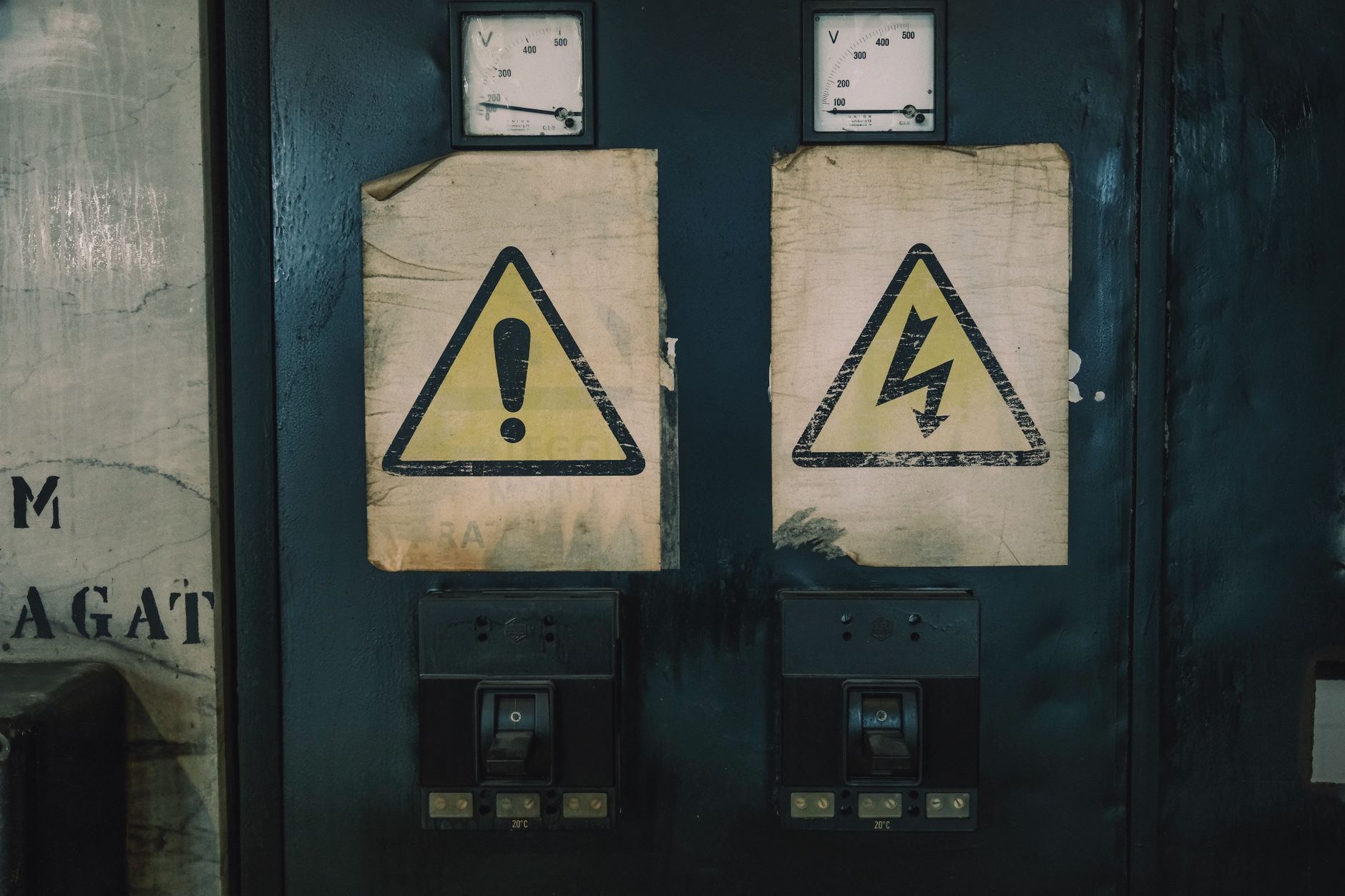
Three-phase induction motors are the workhorses of Pakistan's industrial base, powering everything from ring spinning frames in Faisalabad textile mills to high-pressure pumps in chemical plants. Operating these machines in local environments presents distinct operational challenges. Ambient summer temperatures regularly exceed 45°C in Punjab and Sindh, and utility supplies from DISCOs such as FESCO, LESCO, and K-Electric suffer from frequent voltage dips and phase unbalances. Under these conditions, running a motor continuously near its thermal threshold without precise overload protection leads to premature stator winding failure, unbudgeted downtime, and steep repair expenses.
The Financial Impact of Motor Failures in Local Industry
When an industrial motor burns out, the repair bill for rewinding represents only a fraction of the actual loss. For a standard 55 kW (75 HP) motor running an extrusion line or loom shed, a high-grade rewind using Class H insulated copper wire costs between PKR 90,000 and PKR 140,000 in local workshops. However, rewinding invariably degrades the machine's core efficiency by 1% to 3% due to core mechanical damage and thermal stripping of old insulation. Over a single year of continuous operation at typical industrial electricity tariffs of PKR 45 to PKR 60 per kWh, this lost efficiency can waste an additional PKR 200,000 to PKR 350,000 in electricity.
More damaging is the downtime. In a continuous weaving or spinning plant, halting a production line for 18 to 36 hours while a motor is replaced and realigned can trigger production losses exceeding PKR 500,000 per shift. Installing a calibrated motor protection device—which costs between PKR 15,000 for an analog thermal unit and PKR 75,000 for an electronic protection relay—is an essential capital investment that shields capital machinery against preventable thermal destruction.
Types of Motor Overload Protection Devices
Selecting the right device requires understanding how distinct relay designs match specific industrial operational profiles.
### Thermal Bimetallic Overload Relays These electromechanical devices rely on the thermal deflection of bimetallic strips heated by line current. While economical (often costing between PKR 8,000 and PKR 22,000 depending on frame size), they reflect ambient panel temperatures. In unconditioned motor control centers (MCCs) in industrial zones like Sitara or Sundar, a thermal relay without built-in ambient temperature compensation will trip prematurely in June and under-protect in January.
### Solid-State (Electronic) Overload Relays Electronic units use integrated current transformers (CTs) to sample motor current continuously. They model thermal profiles mathematically rather than mechanically. Electronic relays offer wider adjustment ratios (typically 3:1 or 5:1), generate almost no parasitic heat within the starter enclosure, and feature field-selectable trip classes. A reliable 30 kW electronic overload relay sells for roughly PKR 28,000 to PKR 45,000, making it an ideal upgrade during MCC refurbishment.