
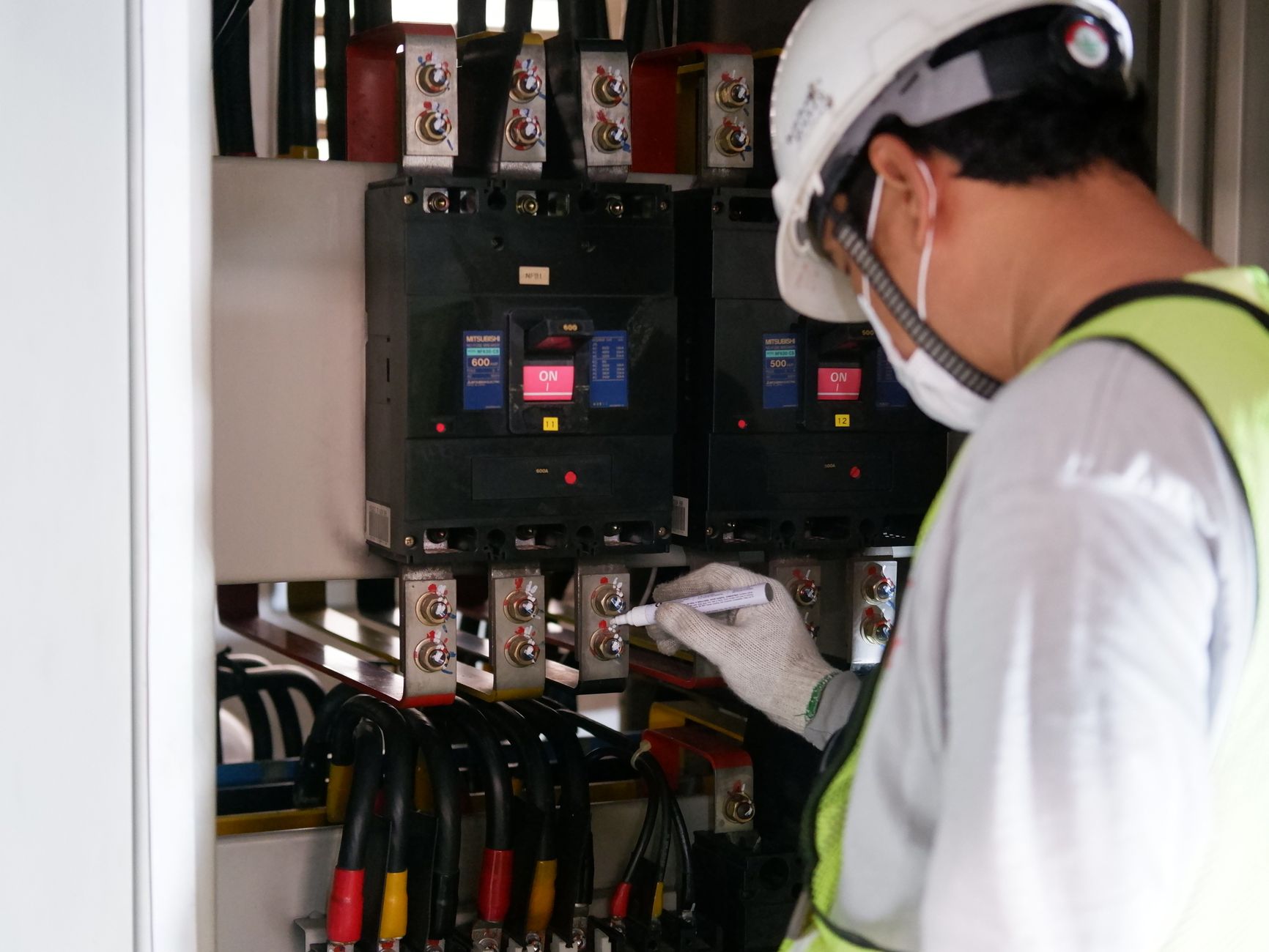
Industrial electrical distribution networks rely on switchgear to isolate electrical faults, switch operational loads, and protect capital-intensive machinery. In Pakistan, industrial hubs across Faisalabad, Lahore, and Karachi place extraordinary demands on both medium-voltage (11kV) and low-voltage (415V) switchboards. Facilities connected to utilities such as FESCO, LESCO, and K-Electric regularly experience severe grid fluctuations, unannounced load management, and voltage transients. When combined with ambient summer temperatures that regularly cross 45°C, high humidity during the monsoon season, and airborne particulate matter from textile and chemical processing, switchgear components degrade rapidly. Without a systematic annual maintenance routine, facilities risk catastrophic dielectric breakdowns, devastating arc flashes, and millions of rupees in production losses.
The Cost of Neglect in Industrial Operations
Switchgear failures rarely happen without warning. They are typically the result of long-term thermal stress, mechanical fatigue, insulation degradation, and environmental contamination. When a primary circuit breaker or busbar chamber fails catastrophically, the financial fallout goes far beyond the switchgear unit itself. Replacing a blown 11kV vacuum circuit breaker (VCB) or air circuit breaker (ACB) in Pakistan currently costs anywhere between PKR 850,000 and PKR 2,500,000 depending on the frame rating and imported brand (such as Schneider, ABB, or Siemens). Lead times for specialized switchgear spares can extend to six or twelve weeks due to import bottlenecks.
Production downtime dwarfs equipment replacement costs. In a continuous-process textile spinning mill running 25,000 spindles, a primary substation outage translates to an immediate loss of PKR 400,000 to PKR 700,000 per hour in idle labor, overhead, and ruined yarn packages. In steel re-rolling mills or chemical plants, abrupt interruption can solidify molten charges or ruin batch processing, causing structural damage to kilns and reactors. Routine servicing is not merely a housekeeping exercise; it is an economic safeguard that protects corporate balance sheets against catastrophic losses.
Pre-Maintenance Safety and Isolation Procedures
Switchgear servicing carries significant arc flash and electrocution hazards. Before any technician opens a breaker enclosure or busbar compartment, safety personnel must enforce a strict Lockout/Tagout (LOTO) protocol alongside a formalized Permit to Work (PTW) system. The incoming medium-voltage feeder must be visibly disconnected, racked out, and locked in the disconnected position. Technicians must never rely solely on panel indicator lamps to verify de-energization, as faulty auxiliary contacts or burnt pilot LEDs frequently provide false indications.