
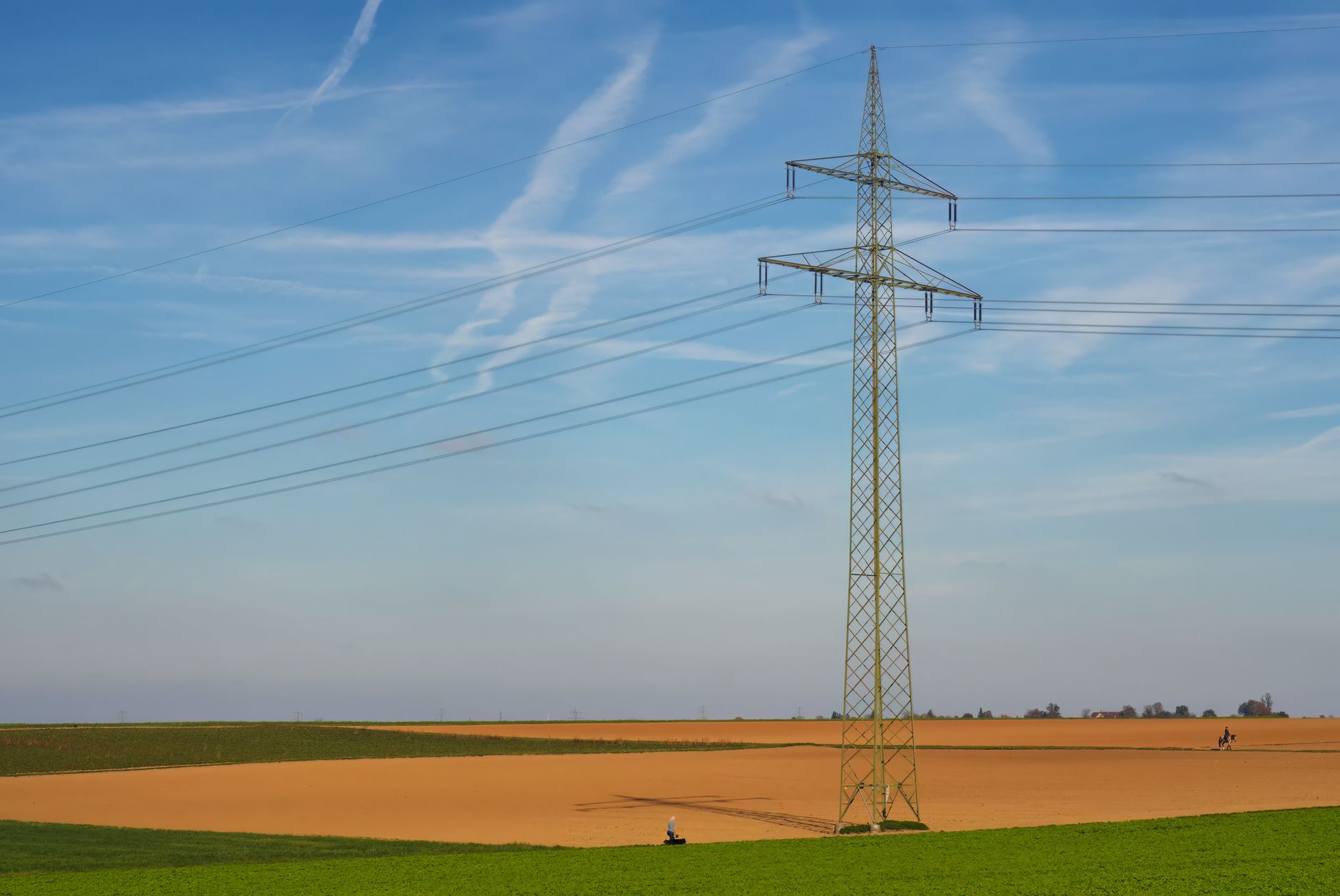
The choice between underground and overhead electrical distribution affects long-term reliability, safety, aesthetics, and cost. Each approach has distinct advantages for Pakistani conditions.
Overhead Distribution
Traditional overhead lines remain common in Pakistan for both utility and private distribution. They use poles, cross-arms, and insulators to support bare or insulated conductors.
Underground Distribution
Underground systems bury cables in trenches, ducts, or direct burial. They are increasingly popular for industrial and commercial sites where reliability matters.
Cost Comparison
For equivalent capacity, underground distribution typically costs 2-3 times more than overhead. For a 1 km 11kV line: - Overhead: PKR 3-5 million - Underground: PKR 8-15 million
The premium reflects cable costs, excavation, and installation labor.
Reliability Comparison
Underground systems offer superior reliability: - Not affected by storms or wind - No damage from falling trees or debris - No accidental contact hazards - Not affected by vehicle collisions - Longer lifespan (30-50 years vs 20-30 years)
Safety Considerations
Underground distribution is significantly safer: - No risk of accidental contact with live conductors - No minimum clearance requirements - No visible hazards for public - Better for dense urban areas - Reduces vandalism and theft risk
Aesthetic Benefits
Underground distribution preserves site appearance with no poles or wires visible. This matters for: - Commercial developments - Industrial parks with image requirements - Residential areas - Heritage or tourist areas
Installation Considerations
Underground installation requires: - Careful route planning - Coordination with other utilities - Soil condition assessment - Trench shoring for safety - Proper bedding and backfill - Trench marking
Cable Types
Common underground cable types in Pakistan: - XLPE insulated (most common) - PVC insulated (older standard) - Paper insulated (legacy) - PILC (paper insulated lead covered)